How Pre Emergent and Post Emergent Products Work for a Healthier Lawn
Table of Contents
- Introduction
- Understanding Pre Emergent Products
- What Does a Pre Emergent Do?
- Optimal Timing for Pre Emergent Applications
- Understanding Post Emergent Products
- What Is Post Emergent?
- When to Apply Post Emergent Treatments
- Combining Pre Emergent and Post Emergent Strategies
- Safety Considerations and Best Practices
- Conclusion
- Book a Lawn Care Consultation with Motes Landscape Services
- Frequently Asked Questions
Key Takeaways:
- Pre emergent products prevent weed seeds from germinating, supporting consistent lawn growth.
- Post emergent products target weeds that are already visible, helping to manage outbreaks.
- Proper timing and application are critical for effectiveness and lawn safety.
- Combining both approaches can maintain lawn health while minimizing chemical use.
- Awareness of risks, environmental factors, and product labels helps homeowners make informed decisions.
Introduction
Pre emergent and post emergent products work together to help maintain a healthier lawn by preventing and managing weeds at different stages of growth. For homeowners and lawn enthusiasts in Foley, AL, understanding these treatments allows us to approach lawn care with informed, strategic decisions rather than guesswork. By considering when and how to apply these products, we can create a balanced lawn maintenance plan that promotes turf health while addressing common weed issues.
Understanding Pre Emergent Products
What Does a Pre Emergent Do?
Pre emergent products are formulated to interrupt the early growth of weed seeds before they sprout. Unlike post emergent treatments, which act on established weeds, pre emergents form a protective barrier in the soil that affects seeds attempting to germinate. The chemical action targets the growth process of new shoots, reducing the number of weeds that establish in the lawn without impacting existing grass.
Using pre emergent products requires careful attention to soil conditions, rainfall, and temperature, as these factors influence seed germination. In Foley, AL, seasonal timing is particularly important because climate conditions affect both turfgrass and weed cycles.
Optimal Timing for Pre Emergent Applications
Timing is critical for pre emergent products to work effectively. Typically, they are applied before weeds begin to germinate in spring and fall.
For example:
- Spring application: Targets summer annual weeds like crabgrass.
- Fall application: Helps control winter annuals such as chickweed and annual bluegrass.
We apply pre emergent products when soil temperatures reach the point where weed seeds start germinating. Monitoring local soil conditions and following product label instructions are essential to avoid reduced effectiveness or potential turfgrass stress.
Understanding Post Emergent Products
What Is Post Emergent?
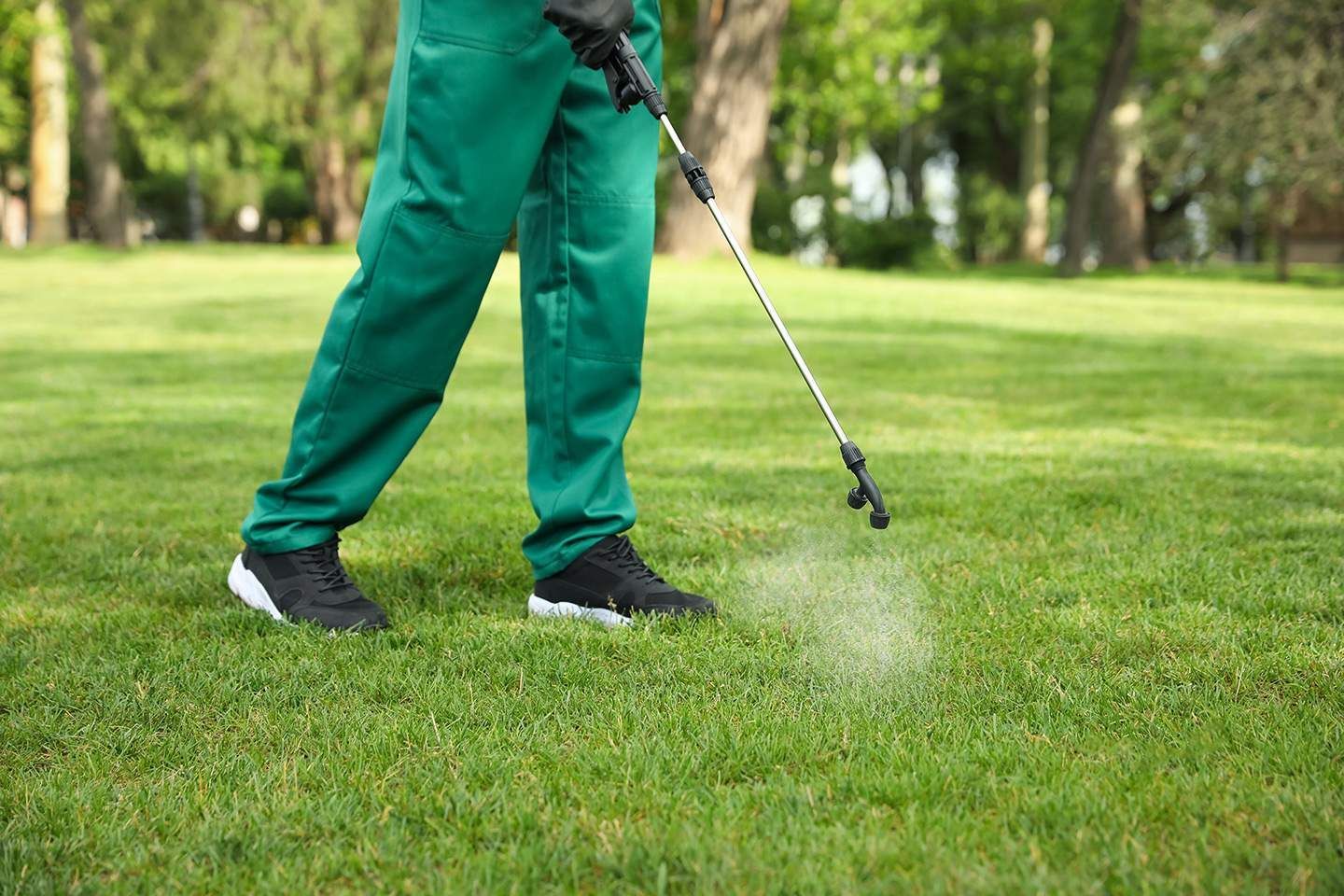
Post emergent products are designed to address weeds that have already emerged from the soil. These treatments are most effective when applied to actively growing weeds. The product is absorbed through leaves and stems, disrupting the weed’s growth processes.
Post emergent products are categorized as either selective—targeting specific weed types without affecting grass—or non-selective, which can affect all vegetation in contact with the chemical. Understanding the distinction allows us to apply treatments strategically while minimizing impact on desired turfgrass.
When to Apply Post Emergent Treatments
We apply post emergent products when weeds are young and actively growing. Older, established weeds may require repeated applications or alternative control methods. Key considerations for application include:
- Weather conditions: Avoid applying during extreme heat or before heavy rainfall.
- Weed identification: Proper identification ensures the correct product is used for each weed type.
- Turf health: Ensure the lawn is not under stress from drought or disease to prevent unintended damage.
By observing these guidelines, we can manage weed presence without over-relying on chemical interventions.
Combining Pre Emergent and Post Emergent Strategies
Using both pre emergent and post emergent treatments allows us to address lawn weeds proactively and reactively. Pre emergents provide a preventive layer, reducing the number of weeds that germinate, while post emergents allow us to control any weeds that emerge despite preventive measures.
A combined strategy involves:
- Applying pre emergent products at the beginning of the growing season.
- Monitoring the lawn for early signs of weed growth.
- Targeting visible weeds with post emergent treatments as needed.
This approach supports a balanced, informed lawn care routine while minimizing unnecessary chemical exposure.
Safety Considerations and Best Practices
When using pre emergent and post emergent products, safety and environmental awareness are paramount. Key practices include:
- Reading and following label instructions carefully.
- Wearing protective gear during application.
- Avoiding over-application to reduce runoff and potential turf damage.
Considering alternative or integrated methods, such as mechanical weed removal, mulching, and maintaining strong turf density to naturally compete with weeds. By integrating these practices, we can manage weeds responsibly while maintaining a safe and healthy lawn environment.
Conclusion
Pre emergent and post emergent products each play distinct roles in maintaining lawn health. Pre emergents prevent weed seeds from germinating, while post emergents target weeds that have already appeared. Proper timing, careful application, and awareness of safety and environmental considerations allow us to use these products effectively and ethically.
When approached with knowledge and precision, these treatments support a consistent, well-maintained lawn without relying on unverified guarantees.
Book a Lawn Care Consultation with Motes Landscape Services
For homeowners in Foley, AL, seeking guidance on pre emergent and post emergent applications, Motes Landscape Services offers professional consultation and lawn care planning. We provide clear, informed advice tailored to local conditions and your lawn’s needs.
Send us an email at moteslandscapeservices@gmail.com or call us at (256) 493-2358 to learn more about our services.
Frequently Asked Questions
How often should pre emergent products be applied?
Application frequency depends on the product type and local climate conditions. Generally, one application per season is typical, but always follow label instructions and monitor weed pressure.
Can post emergent products damage my grass?
Selective post emergent products are formulated to target specific weeds and minimize turf impact, but stress factors like drought or extreme temperatures can increase the risk of grass damage.
Are pre emergent and post emergent products safe for pets and children?
Safety depends on the specific product. Always follow label safety precautions, keep treated areas restricted until the product settles or dries, and consider alternative weed management methods when appropriate.
Can I use both products at the same time?
Pre emergent and post emergent products serve different purposes and are usually applied at different times. Simultaneous application is not typically recommended unless product labels specifically allow it.
How do I know which weeds need post emergent treatment?
Identifying weeds while they are young and actively growing helps select the appropriate post emergent product. Visual identification guides or local extension services can assist with accurate identification.
Related Posts