How Long Should You Water Your Lawn for a Healthy Yard
Table of Contents
- Introduction
- Understanding Lawn Watering Needs
- Grass Types and Water Requirements
- Soil Conditions and Water Retention
- Seasonal Considerations
- Determining Proper Watering Duration
- Shallow vs. Deep Watering
- Average Watering Time Recommendations
- Irrigation Techniques and Best Practices
- Scheduling Your Irrigation System
- Watering Timing and Frequency
- Tools to Measure Water Application
- Common Mistakes to Avoid
- Conclusion
- Book an Irrigation Service
- Frequently Asked Questions
Key Takeaways:
- Watering duration depends on grass type, soil conditions, and season.
- Deep, infrequent watering encourages stronger root systems.
- Early morning is typically the best time for watering.
- Overwatering can lead to disease, runoff, and wasted water.
- Using an irrigation schedule improves efficiency and supports sustainable lawn care.
Introduction
We recommend watering a lawn in Foley, Alabama, for about 20–30 minutes per zone, two to three times per week, adjusting for grass type, soil, and weather conditions. Proper duration allows water to penetrate deeply, supporting root growth and overall lawn health. Understanding how long you should water your lawn is essential for homeowners and property managers who want a resilient, green yard without overusing water or encouraging disease.
By aligning watering practices with the local climate and soil conditions, we can maintain a sustainable and attractive landscape. For more tips on maintaining a healthy lawn, check out our lawn care services and explore our full range of irrigation solutions.
Understanding Lawn Watering Needs
Grass Types and Water Requirements
Different grass varieties have varying water needs. Warm-season grasses common in Alabama, such as Bermuda, Zoysia, and St. Augustine, tend to tolerate dry conditions better than cool-season varieties. Warm-season grasses typically require about 1–1.25 inches of water per week, either from rainfall or irrigation. Knowing your grass type helps determine how long and how often to water. Learn more about optimizing water use for specific grass types on our lawn care resources page.
Soil Conditions and Water Retention
Soil composition directly affects watering duration. Sandy soils drain quickly, requiring more frequent watering, while clay soils retain moisture longer, which can reduce watering frequency but may increase the risk of surface runoff. Understanding your soil type allows you to adjust irrigation schedules to ensure water reaches the root zone effectively. Our irrigation schedule guide can help you create a system tailored to your soil type.
Seasonal Considerations
Watering needs change with the seasons. In the hot summer months, lawns generally require more frequent watering to offset evaporation. During cooler months, watering frequency can be reduced to prevent waterlogging and disease development. Seasonal awareness helps us apply water efficiently while protecting lawn health. Visit our seasonal lawn care tips for guidance throughout the year.
Determining Proper Watering Duration
Shallow vs. Deep Watering
Shallow watering, where only the top 1–2 inches of soil are moistened, encourages roots to remain near the surface, making lawns more vulnerable to drought. Deep watering, in contrast, promotes roots to grow downward, creating a more resilient turf. We generally aim for watering sessions that allow moisture to reach 6–8 inches below the soil surface.
Average Watering Time Recommendations
For a typical irrigation system in Foley:
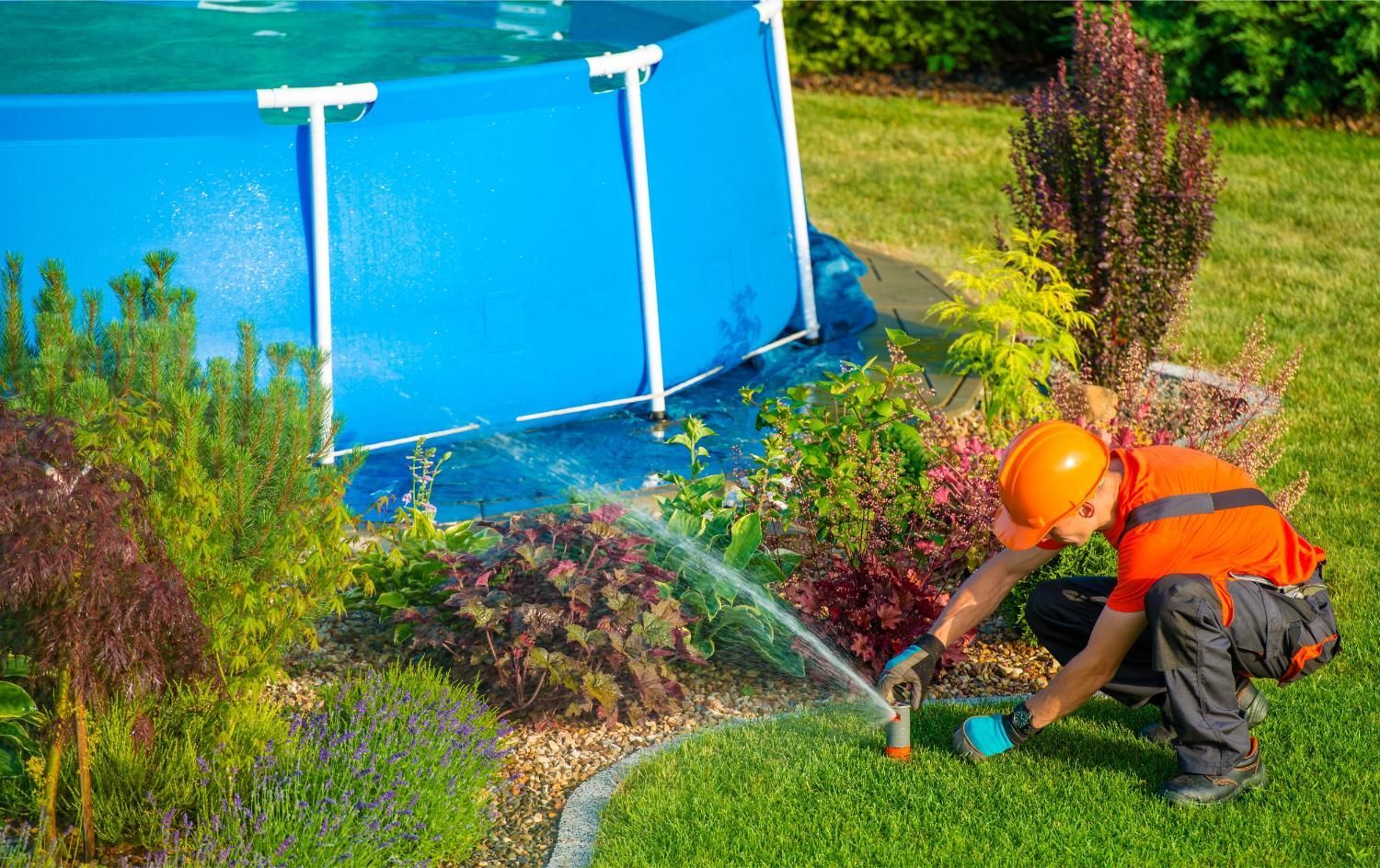
- Sprinkler heads: 20–30 minutes per zone, 2–3 times per week.
- Manual watering: Ensure the soil is soaked to the root zone without causing pooling.
- Adjustments: Increase watering time slightly during peak summer heat or after planting new grass.
Using timers or soil moisture sensors can help maintain consistency and prevent over- or under-watering. Explore our professional irrigation installation services to simplify this process.
Irrigation Techniques and Best Practices
Scheduling Your Irrigation System
An irrigation schedule balances water conservation and lawn health. A system programmed to water early in the morning reduces evaporation and ensures water penetrates deeply. Rotating zones and limiting consecutive watering days helps avoid soil saturation.
Watering Timing and Frequency
Morning watering between 4 a.m. and 10 a.m. is generally most effective. Evening watering can leave leaves wet overnight, increasing disease risk. Frequency should reflect grass type, soil, and rainfall patterns. We adjust irrigation schedules seasonally to accommodate natural precipitation and temperature changes. Learn more about setting an optimal irrigation schedule.
Tools to Measure Water Application
Using simple tools like a rain gauge, catch cups, or soil moisture probes allows us to monitor how much water reaches the lawn. These measurements help refine watering duration and prevent common issues such as pooling, runoff, or dry patches. Check our lawn care equipment recommendations for tools we use.
Common Mistakes to Avoid
- Overwatering: Can create soggy soil, encourage disease, and waste water.
- Underwatering: Shallow roots and stress-prone turf result from too little water.
- Ignoring soil type: One-size-fits-all watering ignores local soil retention characteristics.
- Watering during heat of the day: Leads to excessive evaporation.
- Skipping seasonal adjustments: Ignoring seasonal changes can harm lawn resilience.
Conclusion
Proper lawn watering is a combination of understanding grass type, soil conditions, and seasonal factors. By applying deep, measured watering sessions at appropriate times and frequencies, we can maintain healthy lawns while conserving water and reducing disease risk. Thoughtful irrigation planning supports long-term lawn sustainability without unnecessary effort or waste.
Book an Irrigation Service
For homeowners and property managers in Foley, Alabama, maintaining an efficient irrigation schedule can simplify lawn care. Our team at Motes Landscape Services provides guidance and professional irrigation installation to support sustainable, healthy yards.
For inquiries, send us an email at moteslandscapeservices@gmail.com or call us at (256) 493-2358 to learn more about our services.
Frequently Asked Questions
How often should I water my lawn in Alabama?
Generally, 2–3 times per week is adequate, but this depends on grass type, soil, and weather conditions.
Can I water my lawn every day instead?
Daily watering can lead to shallow roots and increased disease risk. Deep, less frequent watering is preferred.
What is the best time of day to water a lawn?
Early morning, between 4 a.m. and 10 a.m., is ideal to reduce evaporation and allow moisture to reach roots.
How do I know if I am overwatering?
Signs include pooling water, muddy soil, and increased fungal growth. Adjust duration or frequency as needed.
Do I need to water newly planted grass differently?
Yes. Newly seeded or sodded lawns may require shorter, more frequent watering until roots establish.
How does soil type affect watering duration?
Sandy soils drain quickly and require longer or more frequent watering. Clay soils retain moisture, reducing frequency but potentially causing runoff if overwatered.
Can irrigation systems help reduce water usage?
Properly programmed irrigation systems can optimize water use by controlling duration, frequency, and zones efficiently.
Related Posts